

Why Us
Why We Are Not the Cheapest Option
- By Design
We are not a quick fix contractor. Our work is designed, engineered and built to perform for decades.

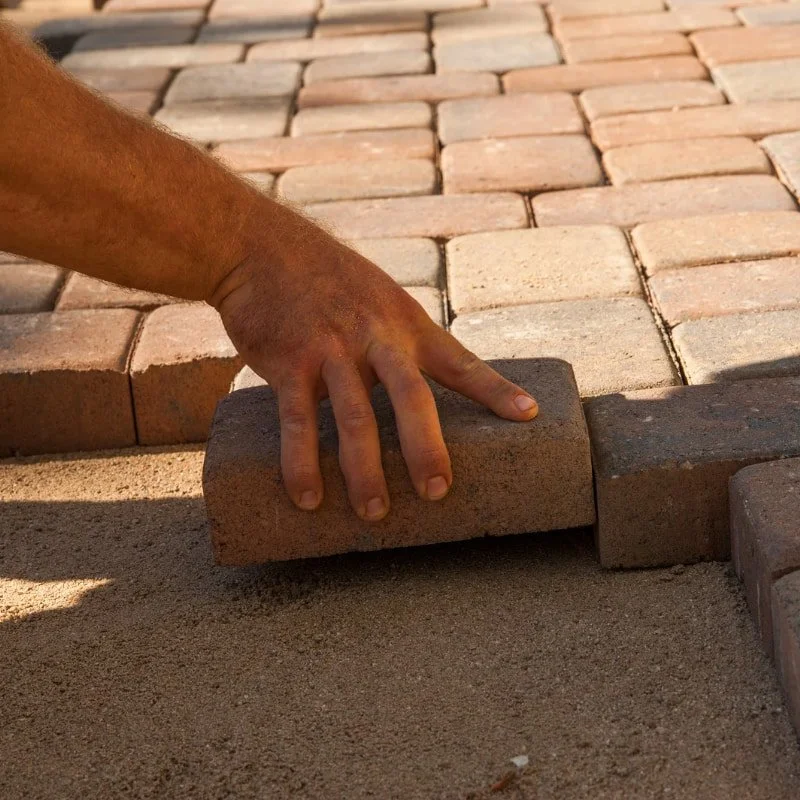
Our investment reflects what it takes to do a project correctly and completely. That means thoughtful site evaluation, proper drainage, base preparation, material selection for long-term performance, and construction details that most contractors skip because they aren’t visible on day one. Most bids price what’s easy to see. We scope what the project actually requires. That gap is invisible at first. It shows up later — as settling, water issues, and work that needs to be redone.
Our clients come to us because they want clarity, accountability, and a cohesive plan they won’t have to revisit in five years. If you’re looking for the lowest initial number, we’re likely not the right fit. If you want this done once and done right, we’re aligned.
What’s Typically Included in Our Projects
Comprehensive design before construction begins
Full property evaluation, not just the immediate project area
Drainage, grading, and preparation required for long-term performance
Material selection based on durability and aging, not trends
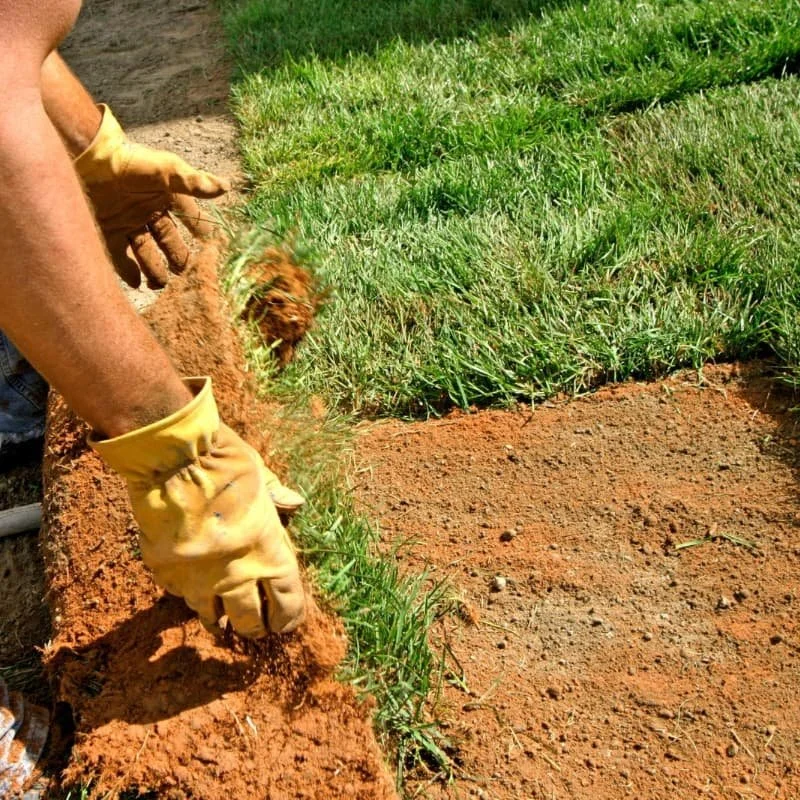
Yard restoration and proper finishing
Clear communication and responsibility from start to finish
What’s Often Omitted Elsewhere
Drainage fixes and water management
Proper base preparation
Long-term performance considerations
Inconsistent coordination across phases
Accountability when issues arise later