

Hydrangeas, Decoded: Which Types Are Worth Planting in Central New York?
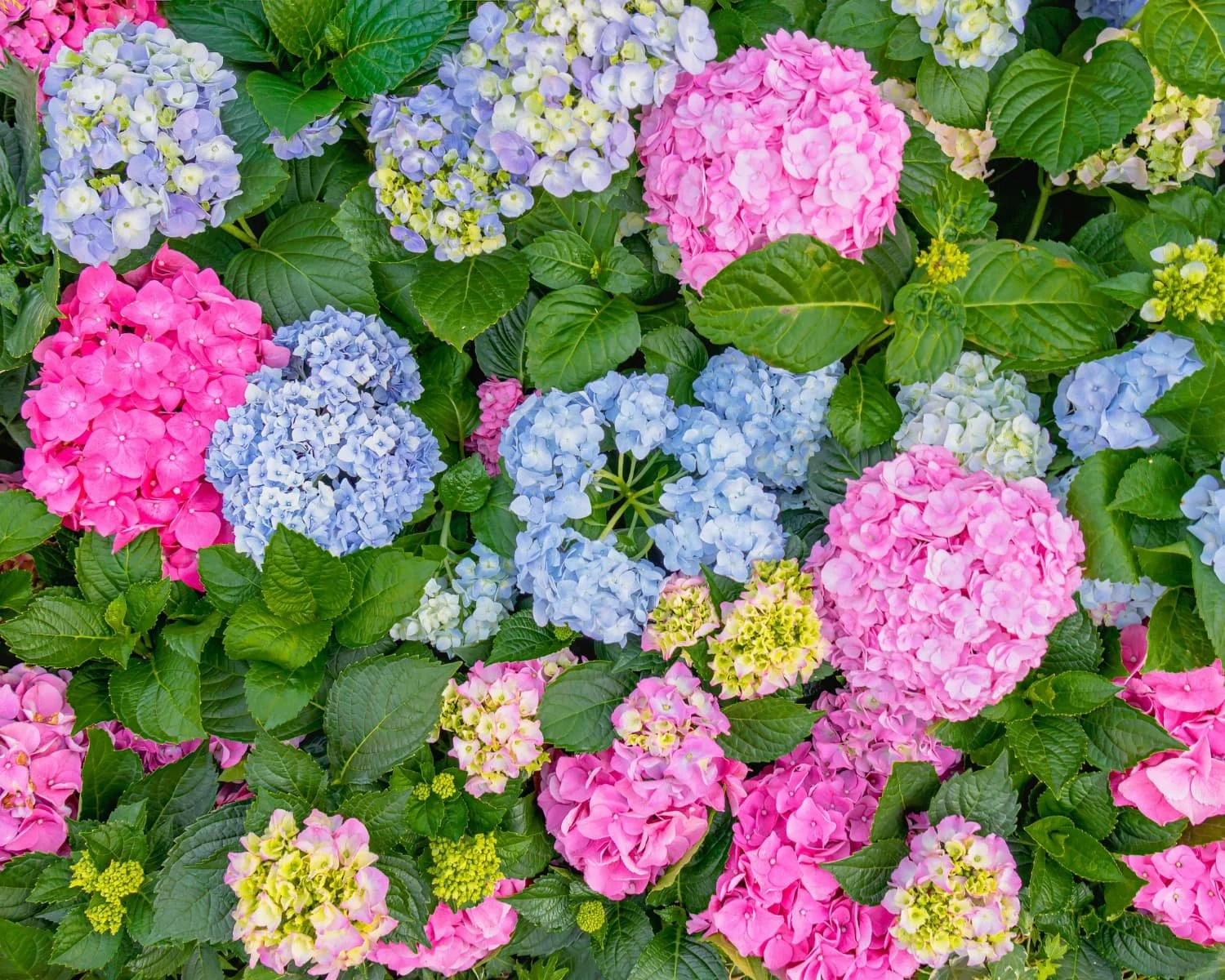
Hydrangeas are the kind of shrub that make people stop mid-scroll and mid-driveway. Big blooms, soft colors, that full romantic look. But here in Central New York, not every hydrangea earns its keep. Some handle our winters just fine. Others look amazing on the tag and then spend spring reminding you that Upstate weather does not play fair. Around Syracuse and Central Square, you are generally gardening in USDA Zones 5b to 6a, though nearby microclimates can run warmer or colder. That matters a lot when you are choosing hydrangeas. The good news is that there is not just one “hydrangea.” There are several main types, and they behave very differently. Once you know which ones bloom on old wood, which bloom on new wood, and which ones are actually hardy enough for our region, shopping for hydrangeas gets a whole lot less random.
The main hydrangea types, minus the garden-center chaos
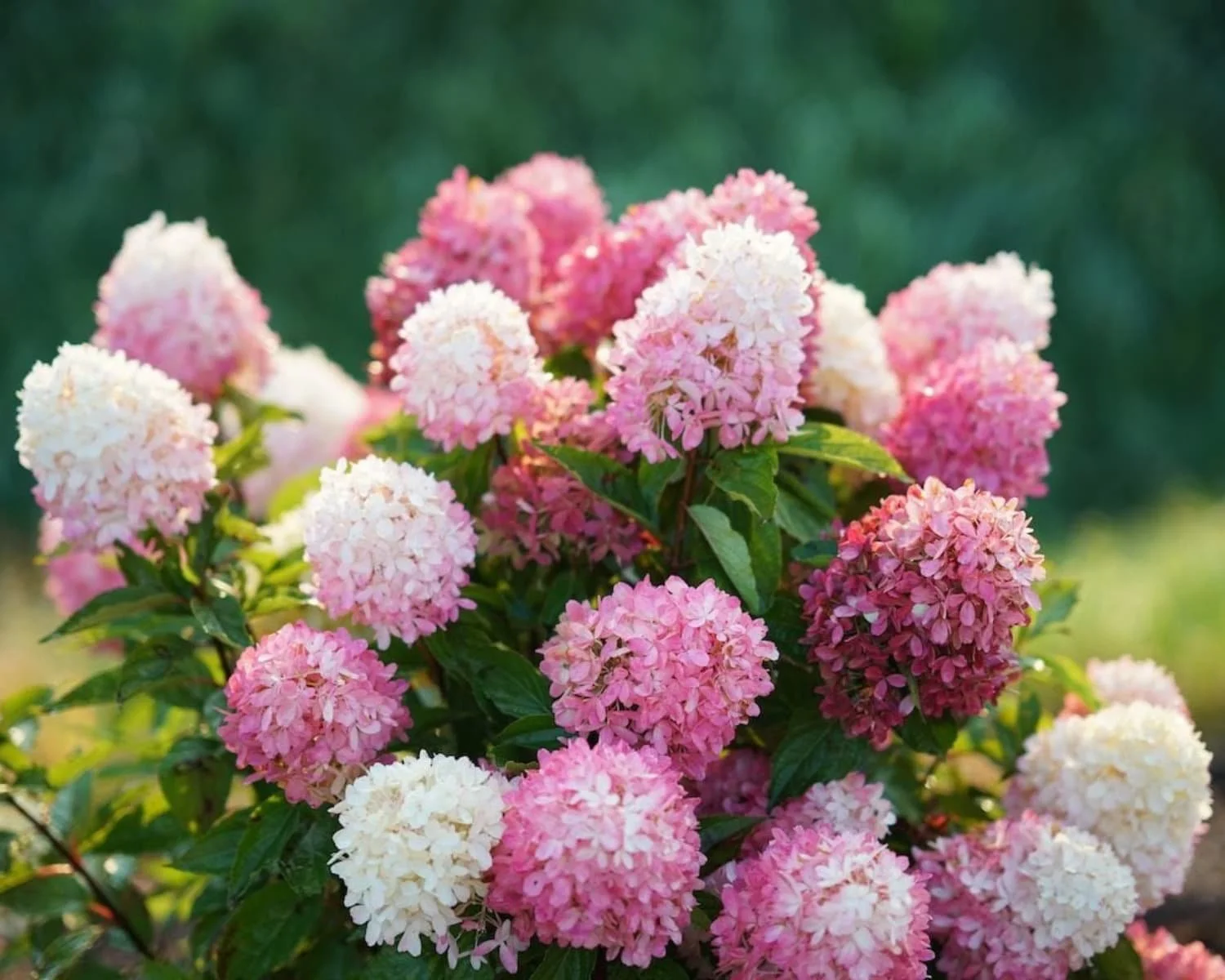
Panicle Hydrangeas
Panicle hydrangeas, or Hydrangea paniculata, are the overachievers of the bunch. They are hardy to Zones 3 to 8, bloom on new wood, and usually handle colder climates far better than the more delicate blue-and-pink bigleaf types. They also give you a longer seasonal show, often opening white and aging into pink tones later in summer. If you want the hydrangea look without the annual emotional rollercoaster, this is usually the safest lane for Central New York. A few panicle favorites people tend to love are ‘Limelight,’ ‘Little Lime,’ ‘Bobo,’ and ‘Quick Fire.’ The appeal is not just flower size. It is reliability, structure, and the fact that they are much less likely to ghost you after a rough winter. Smaller cultivars like ‘Bobo’ and ‘Little Lime’ fit better in tighter foundation beds, while larger ones can anchor a wider planting plan or act almost like a flowering screen.
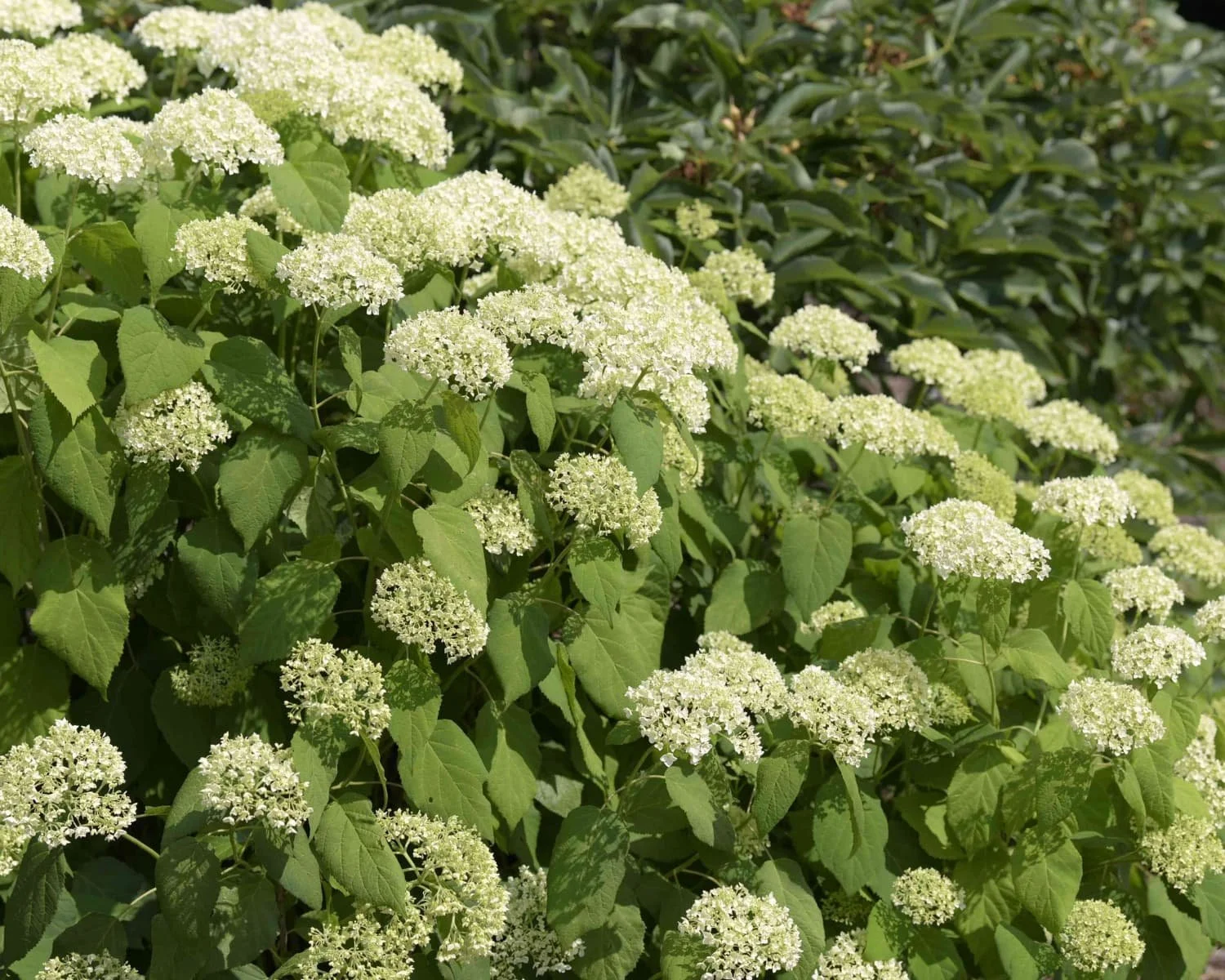
Smooth Hydrangeas
Smooth hydrangeas, or Hydrangea arborescens, are another strong choice for our area. They are generally hardy to Zones 3 to 9 and bloom on new wood, which makes them forgiving after winter damage and easier to prune without sacrificing flowers. This is the group that includes familiar names like ‘Annabelle’ and ‘Incrediball.’ If your goal is a classic white hydrangea look with fewer headaches, smooth hydrangeas are usually a smart pick. These tend to work especially well in part shade and can slot nicely into more traditional landscape plans. They are not as cone-shaped as panicle hydrangeas, and their blooms feel softer and rounder. The tradeoff is that some varieties can flop a bit under the weight of the flowers, especially after rain, so placement and cultivar choice matter.
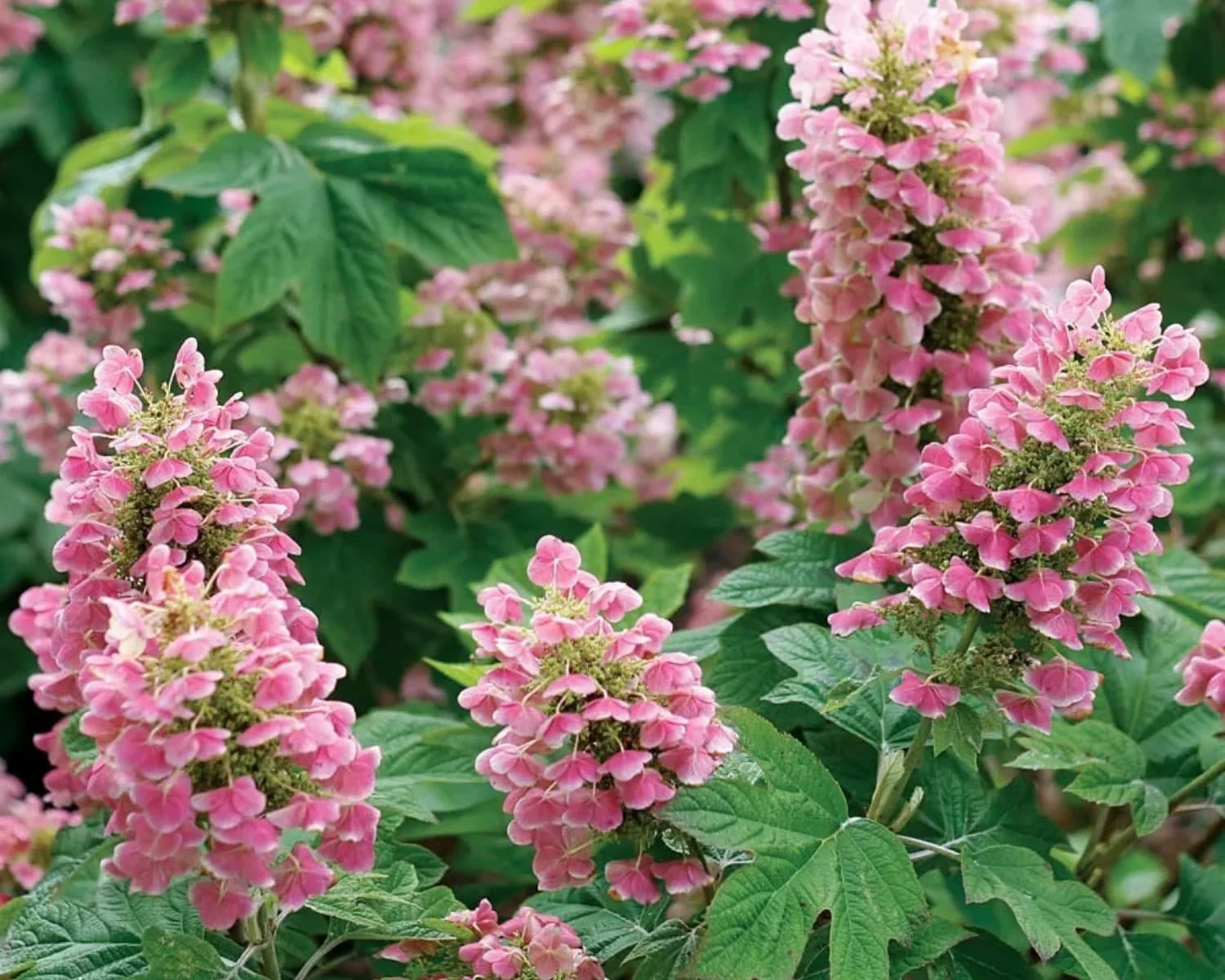
Oakleaf Hydrangeas
Oakleaf hydrangeas, or Hydrangea quercifolia, bring a different vibe. Their blooms are beautiful, but so is the foliage, especially when it picks up fall color. They are generally rated for Zones 5 to 9, which puts them on the edge in a lot of Central New York locations. Missouri Botanical Garden notes they should have a sheltered location and winter protection in Zone 5, especially when young. Translation: these can work here, but they are not the hydrangea I would call carefree. If you have a protected site and want something a little more distinctive, oakleaf hydrangeas can be worth the effort. They are especially appealing in more layered, naturalistic designs where leaf texture matters as much as bloom color. Just know they bloom on old wood, so winter damage can reduce flowering, and harsh exposure is not doing them any favors.
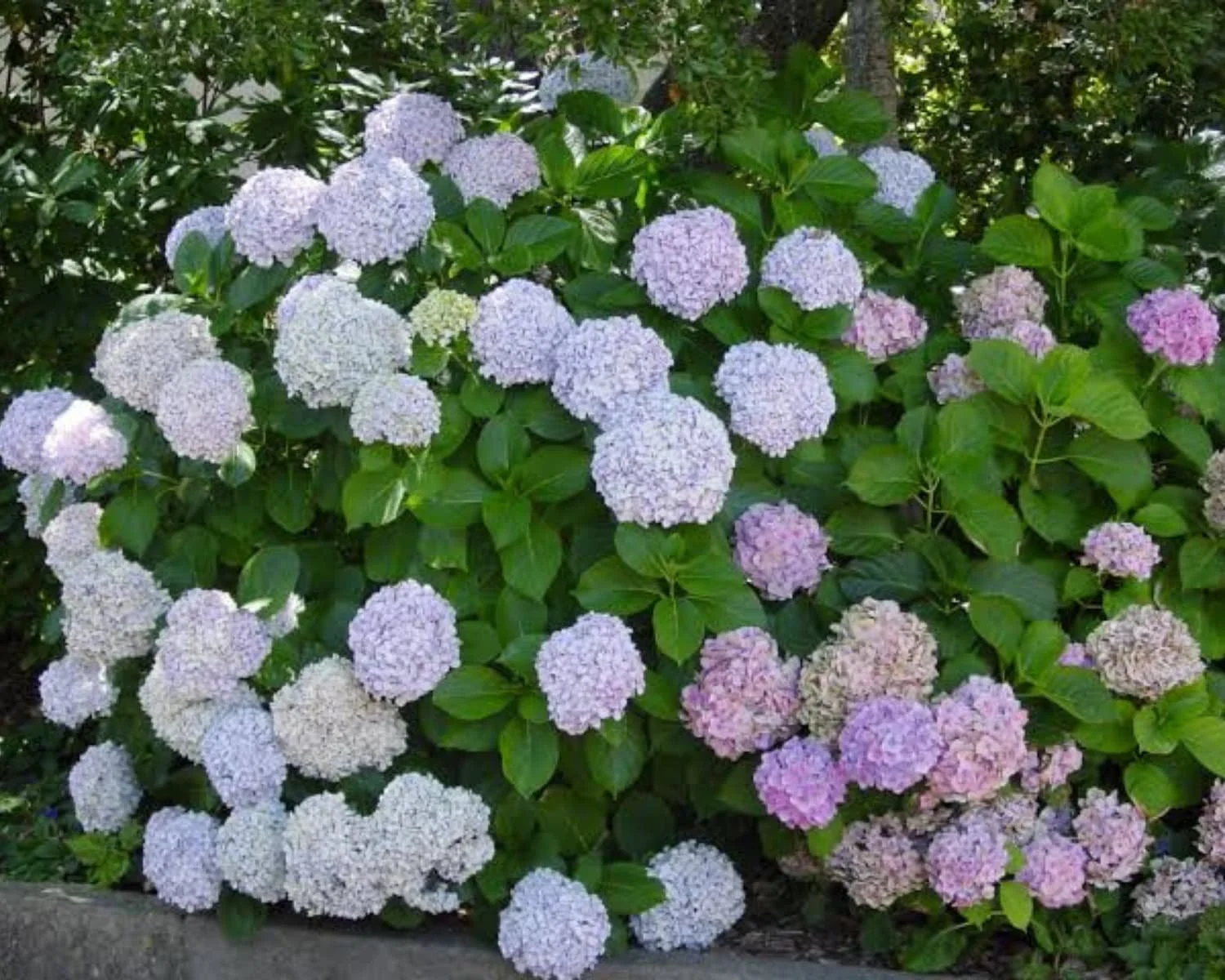
Bigleaf Hydrangeas
Bigleaf hydrangeas, or Hydrangea macrophylla, are the ones most people picture first: blue, pink, mophead, lacecap, all the dreamy cottage-garden energy. They are also the ones most likely to test your patience in colder parts of Upstate New York. The species is generally listed for Zones 6 to 9, and Cornell notes that traditional bigleaf hydrangeas often lose flower buds in winter temperatures like ours because they bloom on old wood. That does not mean they are impossible here. It means you need to be pickier. Reblooming or remontant varieties, like some in the Endless Summer line, can do better because they flower on both old and new wood. Even then, performance is often better in protected spots or warmer pockets, and Cornell specifically notes that gardeners in the city or near the lake often have more success than colder inland sites.
So which hydrangeas actually work in Upstate and Central New York?
Here is the simple version: for most landscapes in the Syracuse and Central New York area, panicle hydrangeas and smooth hydrangeas are the safest bets. Their hardiness ranges line up better with our winters, and because they bloom on new wood, they are less likely to leave you with a leafy shrub and no flowers after a rough season. Oakleaf hydrangeas can work in the right setting, especially in a somewhat protected location with winter mulch and realistic expectations. Bigleaf hydrangeas are more of a “maybe, with caveats” plant here. They are better treated as a special-case choice for sheltered sites, warmer microclimates, or gardeners who are willing to baby them a bit. If you are planting for long-term reliability instead of crossing your fingers every April, panicle and smooth hydrangeas are the stronger move.
A few solid hydrangea picks for this region
For dependable structure and bloom power, panicle varieties like ‘Bobo,’ ‘Little Lime,’ and ‘Quick Fire’ are easy to make a case for. ‘Bobo’ stays compact, ‘Little Lime’ gives you that popular lime-to-pink color progression in a more manageable size, and ‘Quick Fire’ is known for blooming earlier than many other panicles. All are in the panicle category, which is broadly hardy through Zone 3.
For a classic round white bloom, smooth hydrangeas like ‘Annabelle’ and ‘Incrediball’ are often the most practical way to get that soft hydrangea look in colder climates. They fit especially well in part-shade beds and can brighten up the edge of a patio, foundation, or mixed shrub border without demanding a heroic amount of winter protection.
One more thing people get wrong: pruning
A lot of hydrangea frustration is really a pruning issue wearing a flower-shaped disguise. Panicle and smooth hydrangeas bloom on new wood, so pruning is more forgiving. Bigleaf and oakleaf hydrangeas bloom on old wood, so pruning at the wrong time can remove the flower buds you were hoping for. Cornell Cooperative Extension recommends pruning old-wood hydrangeas right after blooming, before new flower buds form.
So before writing off a hydrangea as “bad,” it is worth asking two questions: is it truly hardy for your site, and are you pruning the type you actually have the way it wants to be pruned? That tiny detective moment saves a lot of yard drama.
Final take
Hydrangeas can absolutely work in Central New York, but the best results come from choosing the right type, not just the prettiest flower tag at the garden center. If you want the most reliable performance in our climate, start with panicle and smooth hydrangeas. If you want oakleaf or bigleaf hydrangeas, give them the right site and go in with a little more strategy. Around here, plant choice is not just about beauty. It is about whether that beauty can survive an Upstate winter and still show up next season