

From Indoor to Outdoor: Seamless Transitions for Year‑Round Living
Outdoor living has become an integral part of how many homeowners enjoy their properties. In Central New York, where short summers give way to crisp autumns and snowy winters, the desire to extend living space into the yard means designing for all seasons. Recent industry surveys show that clients view the landscape as an extension of the home and are looking for a natural flow from interior rooms to the outdoors . With careful planning and the right features, you can create a seamless indoor‑outdoor transition that feels like a single, cohesive environment all year long.
Why Seamless Indoor‑Outdoor Living Matters
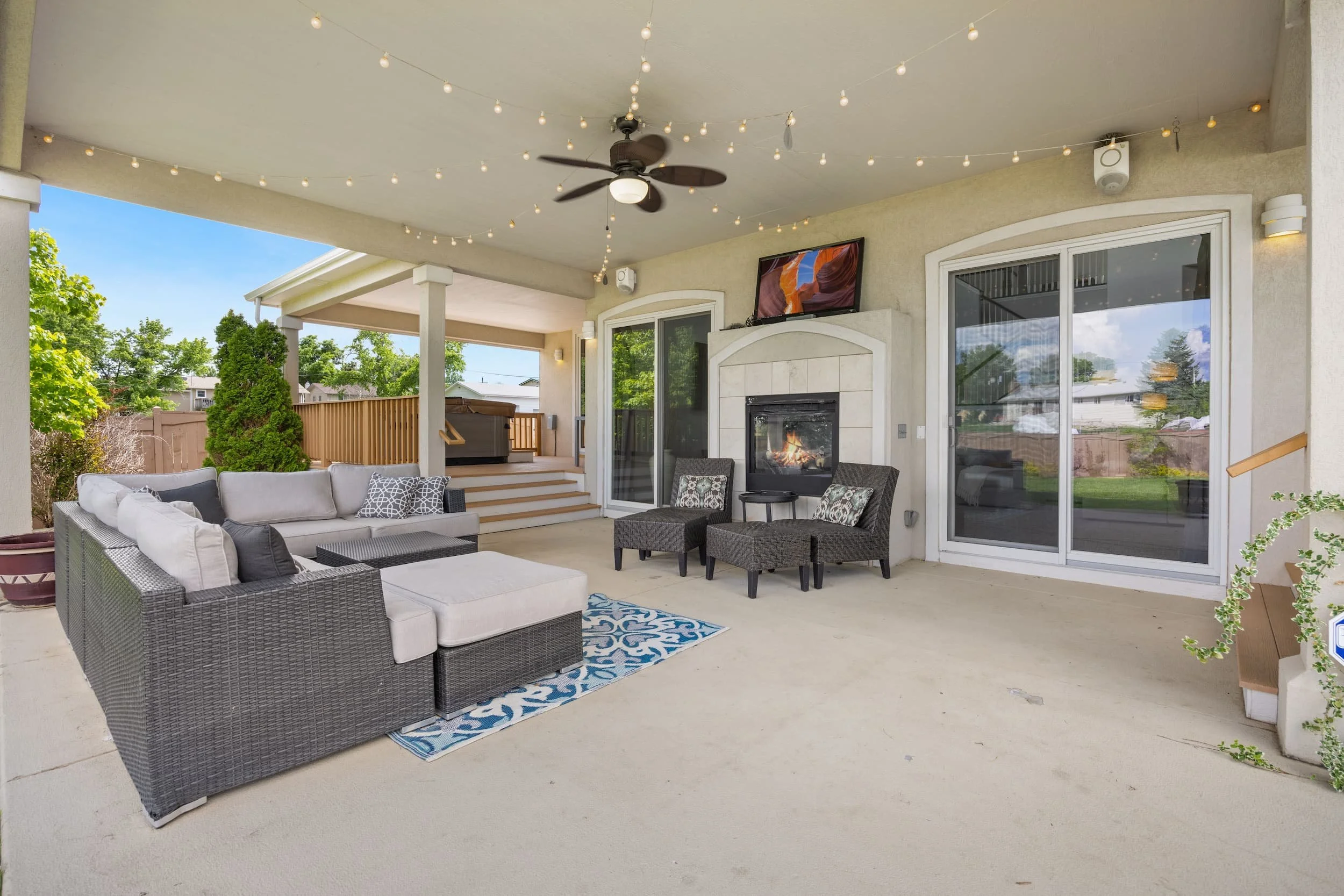
Blurring the line between inside and outside does more than make a yard beautiful. It expands usable space for dining and entertaining, increases natural light in the home and fosters a stronger connection to nature. Builders note that large openings and glass walls invite daylight and allow homeowners to move freely between indoor and outdoor rooms . When combined with thoughtful layouts and consistent materials, the result is a unified living environment that supports everyday routines, from morning coffee on the patio to evening gatherings with friends.
Benefits at a Glance
Easier entertaining: Indoor‑outdoor layouts allow guests to circulate naturally between kitchen, dining and lounge spaces, making gatherings feel more connected.
Expanded living area: Extending rooms outdoors provides additional space for cooking, lounging and relaxing without adding square footage to the house.
Increased natural light: Large openings invite more daylight into the home, creating a brighter, more inviting interior.
Deeper connection to nature: Opening the house to the yard lets you enjoy fresh air, views and greenery throughout the day.
Design Principles for Seamless Transitions
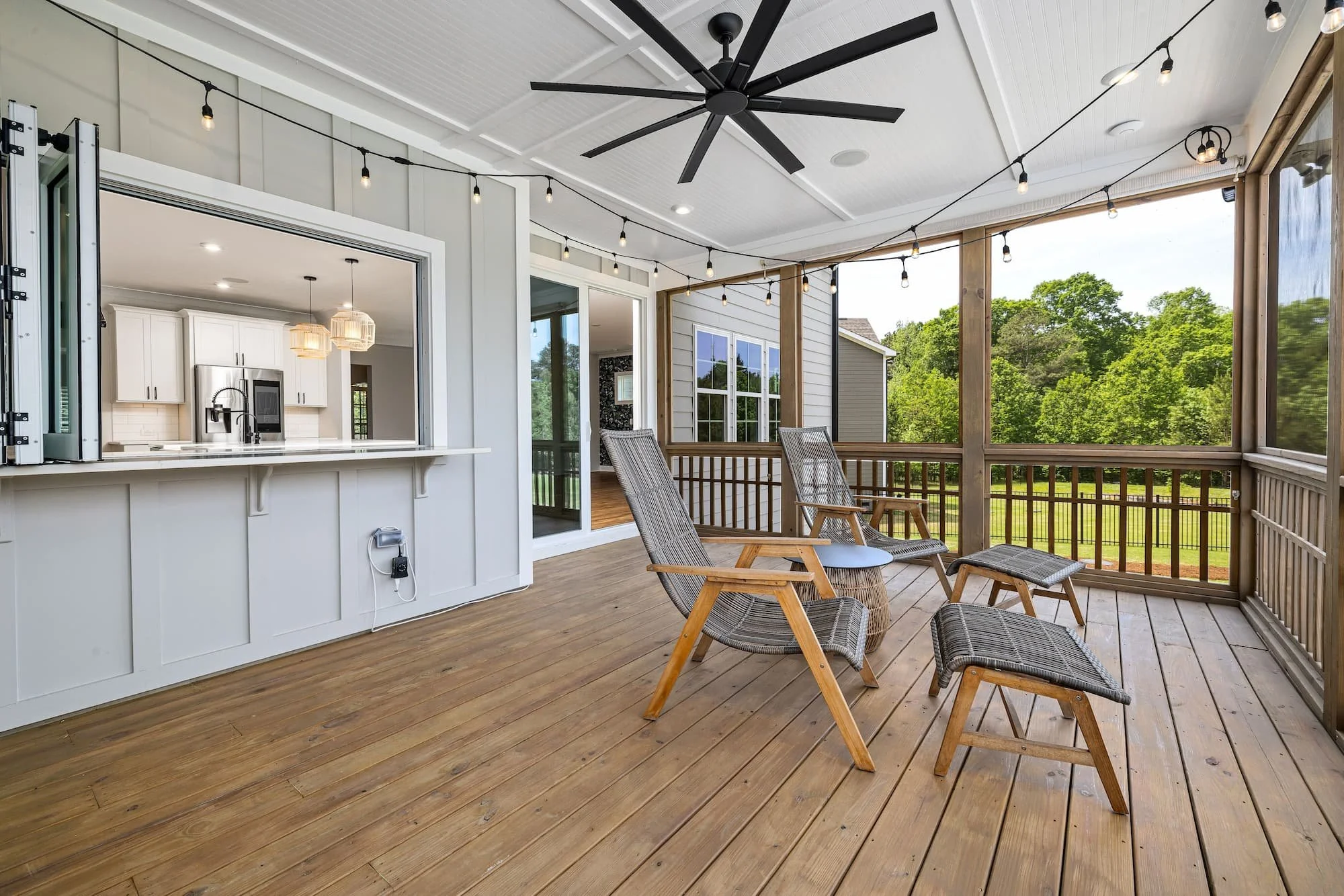
Creating a cohesive indoor‑outdoor space requires more than pushing a patio up against the back door. Here are key design principles supported by industry experts and builders:
Use Larger Openings
The bigger the doorway, the easier it is to erase the boundary between indoors and out. Folding or sliding glass doors create a continuous transition from living room to patio. National landscape designers note that accordion doors or multi‑panel sliding doors are popular choices for blurring lines between spaces. Pocket doors and barn doors also provide flexibility while maintaining a streamlined look.
Maintain Consistent Flooring
Keeping the floor level and using similar materials inside and outside helps unify the two areas. For example, porcelain pavers that mimic interior tiles can extend from the kitchen onto the patio without a visible change, while warm wood or composite decking can flow from a living space to a screened porch. Consistent flooring not only improves accessibility but also makes smaller spaces feel larger by eliminating visual breaks.
Carry Over Colors and Materials
Repeating a color palette and materials ties rooms together. Builders recommend coordinating finishes on outdoor cabinetry and appliances with indoor kitchens and using complementary fabrics and finishes on furniture. Natural materials—stone, warm‑toned pavers and wood accents—are increasingly popular because they add authenticity and connect the outdoor space to the environment.
Create Zones for Living
Modern outdoor spaces aren’t just patios; they’re thoughtfully defined rooms for cooking, dining, lounging and wellness. Trends reports emphasise creating smaller, intimate nooks that feel like personal retreats rather than grand showcase landscapes. Well‑designed outdoor kitchens and dining areas encourage alfresco meals, while lounge spaces with comfortable seating and fire features foster relaxation. Separate zones can be visually connected through consistent materials and aligned sightlines.
Provide Four‑Season Comfort
In Central NY, weather can shift quickly, so four‑season features are essential. Landscape designers recommend porches with automatic screens and heaters that can convert from open air to sheltered space. Retractable pergolas with motorized louvers, integrated lighting and drop‑down screens can modulate sunlight, provide shade and shed rain at the push of a button. Fire pits, infrared heaters and heated floors extend the usable season, while fans and shading systems keep summer gatherings comfortable.

Planning for Central NY’s Climate
Central NY experiences hot summers, cool evenings and snowy winters, so designing for year‑round enjoyment requires strategic planning. Start with a master plan that considers how the outdoor space connects with the house’s architecture, sightlines and natural contours. A deck or raised patio can serve as a transition platform, aligning outdoor zones with interior floor levels. Consider snow load and drainage when selecting roofing structures, and choose materials that can withstand freeze–thaw cycles and salted walkways. Movable screens and enclosures allow spaces to be open in summer and protected in winter, while insulated pavers or radiant heat systems can keep walkways clear of ice.
Native Plantings and Water Features
Surrounding your indoor‑outdoor space with native plants and water features enhances the sense of place and promotes wildlife. Integrate pollinator‑friendly shrubs, ornamental grasses and small trees to soften hard edges and provide seasonal interest. Adding a fountain or reflection pool introduces a soothing sound that reduces stress and increases relaxation , while also cooling the air around seating areas. Just be sure to include proper drainage and a strong subbase so patios and walls remain stable during wet seasons.

The Role of Professional Design and Project Management
While you can add features gradually, the most successful indoor‑outdoor spaces start with a comprehensive plan. Landscape architects recommend an architecture‑first approach: shape movement, align sightlines and determine zones before selecting materials. Professional designers consider slope, drainage, sunlight, soil composition and local building codes to ensure structures are safe and functional. Experienced project managers coordinate trades, order materials and schedule installations, ensuring the project stays on budget and meets the quality standards that premium outdoor living demands.
Bringing Your Vision to Life
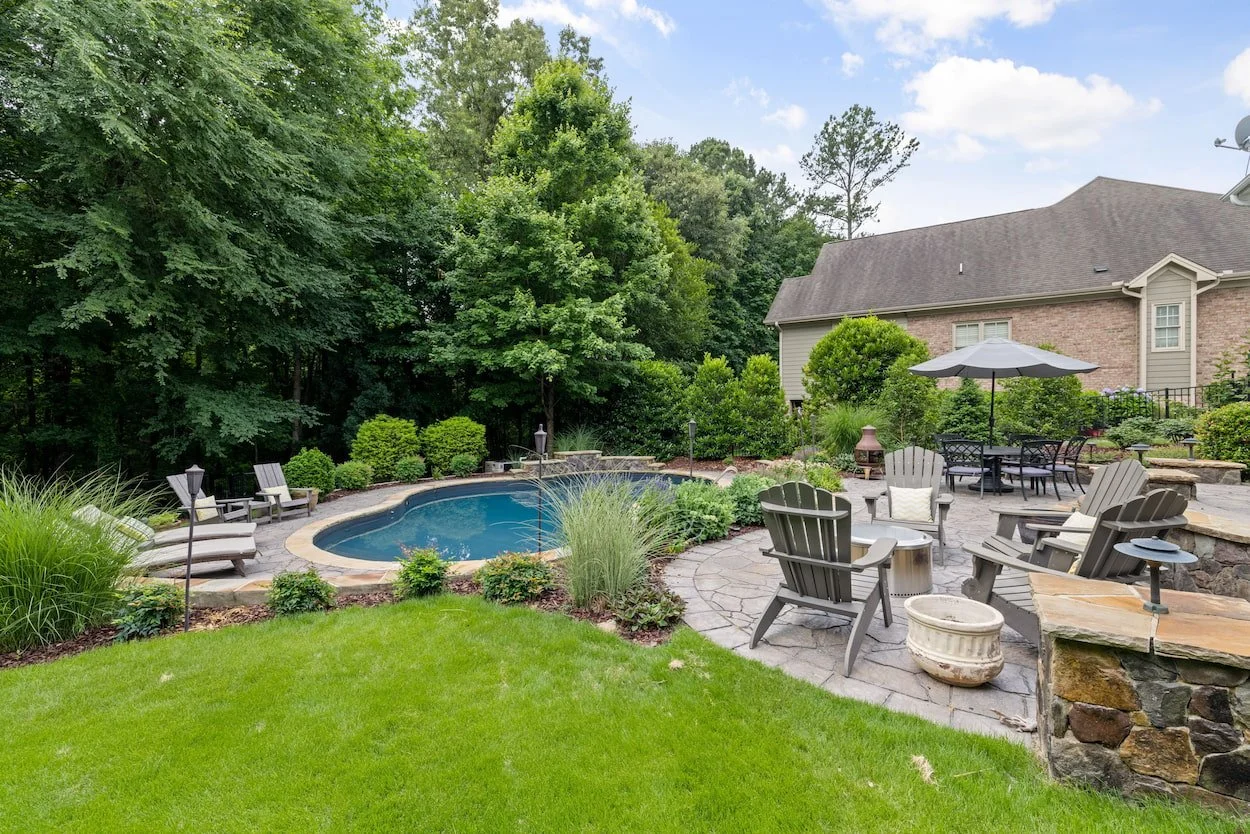
At Pines and Pavers, we specialise in designing and building custom indoor‑outdoor living spaces for Central NY homeowners. Our team works closely with clients to understand their lifestyle and develop a master plan that harmonises with the existing architecture. Whether you dream of sliding glass walls that open to a four‑season porch, a deck that flows seamlessly from your kitchen or a series of garden rooms linked by pathways and pergolas, we provide expert guidance from concept to completion. We handle site analysis, permitting, material selection and installation, delivering premium craftsmanship and attention to detail.
Ready to transform your home with a seamless indoor‑outdoor living experience? Contact us today to schedule a consultation and start plan